




Dystopian Books with Meaning: Clean Reads Full of Courage and Sacrifice

Dystopian fiction doesn’t have to rely on shock value to be powerful. In fact, some of the most lasting stories in the genre are the ones that quietly challenge readers—inviting them to think deeply about freedom, identity, and what it means to live a meaningful life.
If the goal is to find books that are both compelling and clean, these titles deliver. Here’s a deeper look at why each one is worth reading.

The Giver by Lois Lowry
This is the book that proves dystopian fiction can be both gentle and devastating at the same time. What makes The Giver worth reading isn’t action—it’s the slow unraveling of a “perfect” society. As the truth emerges, readers are forced to confront difficult questions: Is safety worth the loss of choice? Can a world without pain also lack real joy?
It’s especially powerful because it trusts the reader. Nothing is overstated. The emotional impact builds quietly, and by the end, it lingers. This is the kind of book that sparks meaningful conversations, which is exactly why it continues to be widely read in both classrooms and homes.
Beneath its quiet surface, The Giver carries deep themes about moral bravery and the cost of protecting others. Jonas’s journey is not just about discovering truth, but about choosing compassion in a world that has erased deep feeling. A closer reading reveals that real bravery in this story is not loud or dramatic. It is the willingness to bear pain, knowledge, and sorrow for the sake of someone else. There is also a strong thread of redemptive sacrifice, as Jonas begins to understand that love and suffering are bound together, and that a meaningful life requires both.

Matched by Ally Condie
At first glance, Matched feels like a love story—but underneath, it’s about autonomy. The
society in this world doesn’t just control actions; it controls thoughts, choices, and even emotions. That’s what makes it compelling.
Readers should pick this up if they want a dystopian story that leans more emotional than violent. The romance is clean and meaningful, but the real strength of the book lies in watching a character slowly wake up to the idea that her life has been decided for her. It’s a thoughtful, quieter rebellion story that resonates long after reading.
On the surface, Matched is about romance and rebellion, but a deeper reading reveals a story about loyalty to truth over comfort. Cassia begins as someone loyal to the system because it has shaped her entire world, yet her deeper courage emerges when she starts to question whether obedience is always right. The novel also explores quiet bravery—the kind that grows through reflection, restraint, and difficult choices rather than dramatic action. Its redemptive thread comes through in the idea that reclaiming one’s voice, desires, and conscience can be an act of restoration.

Legend by Marie Lu
If you want something a little more fast-paced, Legend delivers. It has action, mystery, and a strong dual perspective that keeps the story moving. But what really sets it apart is how it humanizes both sides of a divided society.
This is a great pick for readers who want a more modern dystopian feel without crossing into graphic territory. The tension is high, but it stays focused on character, loyalty, and truth rather than spectacle.
A close reading of Legend reveals that its emotional core is loyalty—especially loyalty tested by competing truths. June and Day both begin with strong convictions, but each must wrestle with whether loyalty to country, family, or personal conscience matters most. The book’s bravery is not just found in physical risk, but in the willingness to reexamine long-held beliefs. Redemption also plays an important role, especially in the idea that people shaped by flawed systems can still choose honesty, sacrifice, and compassion.
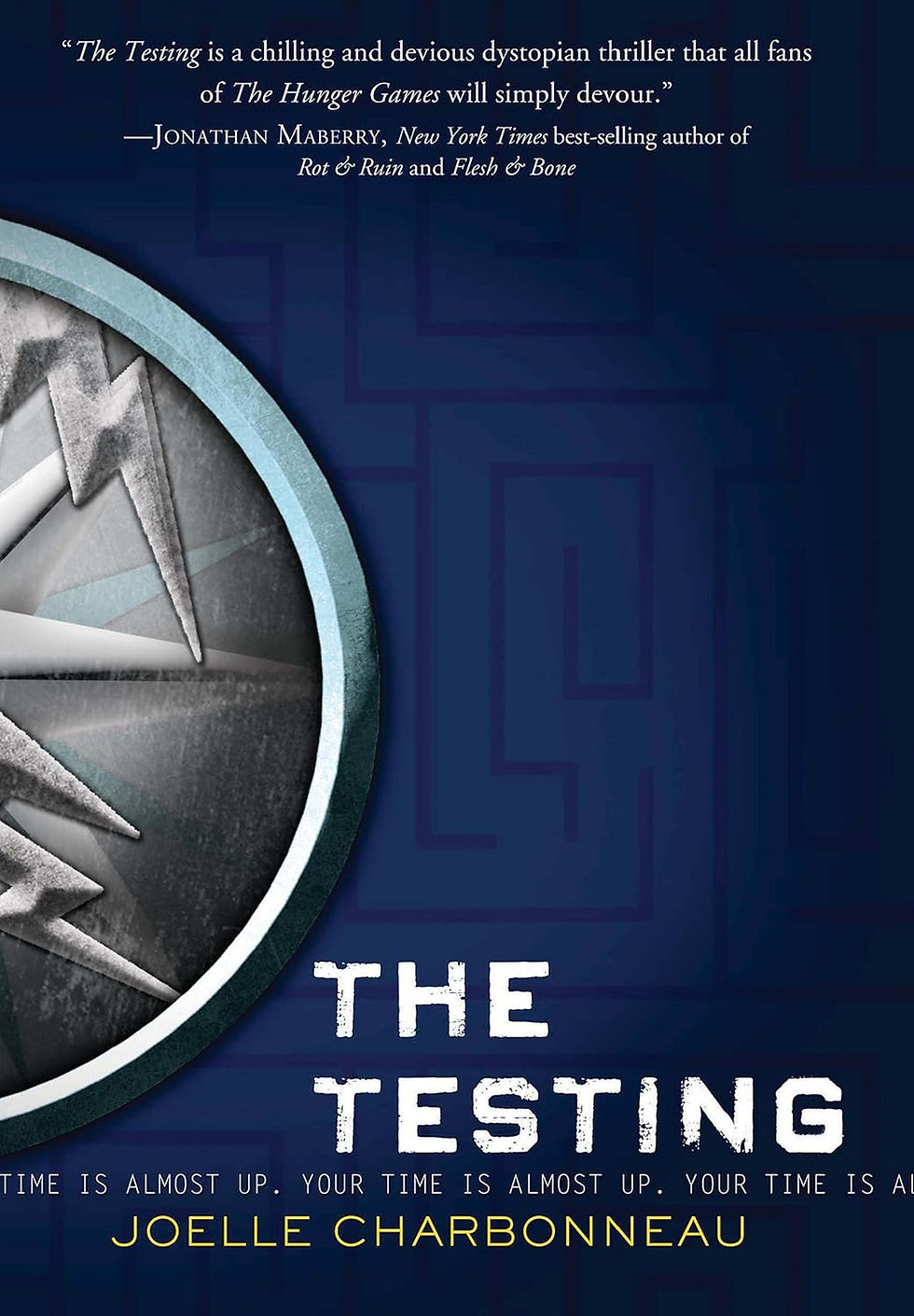
The Testing by Joelle Charbonneau
This book takes a familiar concept—high-stakes trials in a controlled society—and strips it
down to its core. The result is a story that feels intense without being excessive.
Readers should choose this if they enjoy psychological tension. The real danger isn’t just physical—it’s mental. Trust becomes uncertain, and every decision matters. It’s a strong reminder that systems designed to “choose the best” can often reveal the worst.
Beyond its suspenseful premise, The Testing explores what it means to stay morally intact in a system designed to reward ruthlessness. Cia’s bravery is not only physical but ethical. She must decide again and again whether success is worth the loss of her humanity. That is where the deeper meaning lies. Her loyalty to her values, even when pressured to betray them, gives the story much of its weight. The redemptive thread is found in her refusal to completely surrender her conscience, even when survival seems to demand it.

The Selection by Kiera Cass
This is the lightest entry on the list, but that doesn’t make it shallow. By blending dystopian elements with a royal competition, it creates a story that’s easy to read yet still meaningful.
The reason to read this one is simple: it’s approachable. For readers who don’t typically enjoy darker dystopian stories, this offers a softer introduction. The focus on relationships, identity, and personal choice keeps it engaging without becoming heavy.
Though lighter in tone than many dystopian novels, The Selection carries meaningful themes beneath its romantic surface. America’s loyalty is repeatedly tested—between family, love, and her sense of what is fair. Her bravery often appears in the form of honesty, especially when telling difficult truths in a world built on appearance and performance. A closer reading also reveals a redemptive theme in the gradual softening and growth of several characters, as pride, misunderstanding, and selfishness are challenged by empathy and sacrifice.

Divergent by Veronica Roth
Divergent is one of the most recognizable modern dystopian novels, built around a society divided into factions based on personality traits and values. As Tris discovers she does not fit neatly into the system, the story opens into questions about power, conformity, fear, and self-definition.
Readers are drawn to this book because it is fast-paced, emotionally engaging, and easy to get invested in. It has a strong romantic thread, memorable worldbuilding, and plenty of suspense. While it is more intense than some cleaner dystopian options, it still appeals to many teen and adult readers who want a gripping rebellion story with a strong female lead.
At a deeper level, Divergent is about the danger of reducing human beings to categories. Tris’s journey reflects bravery not just in battle, but in resisting a system that demands partial identity instead of wholeness. Loyalty becomes more complicated as the story unfolds, since devotion to family, faction, and truth do not always point in the same direction. The redemptive thread emerges in characters who confront fear, failure, and guilt, and who are forced to decide whether they will be shaped by selfishness or sacrifice.

Scythe by Neal Shusterman
Scythe stands out because of how original its premise feels. In this future world, humanity has conquered disease, aging, and natural death, so certain people called scythes are assigned the job of permanently ending lives to keep the population under control. That setup makes the book immediately thought-provoking.
This is a strong choice for readers who want a dystopian novel that is smart, layered, and morally complex. Rather than focusing only on action, Scythe pushes readers to think about justice, corruption, mercy, and what happens when human beings are given too much power. It feels more philosophical than many books in the genre, but it never becomes dull.
Scythe has one of the richest moral frameworks in modern YA speculative fiction. Beneath its striking premise lies a deep meditation on power, corruption, mercy, and conscience. Rowan and Citra are not just learning a role; they are learning what kind of people they will become when given authority over life and death. Loyalty in this novel often means loyalty to principle rather than institution. Bravery shows up in resisting corruption even when that resistance is costly. Redemption is a major thread as well, especially in the tension between cruelty and mercy and in the possibility that people can reject the darkest expectations placed on them.
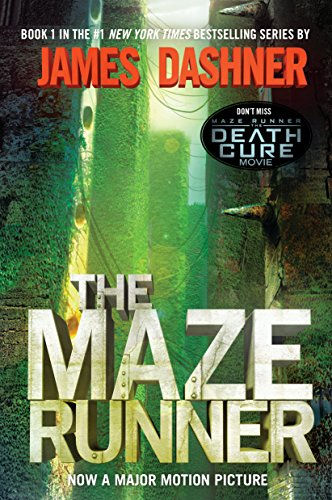
The Maze Runner by James Dashner
The Maze Runner begins with one of the strongest mystery hooks in YA dystopian fiction. Thomas wakes up in a strange enclosed world with no memory of his past, surrounded by boys who are trying to survive while solving the secrets of the maze around them. The confusion and danger create immediate momentum.
This book is a good pick for readers who enjoy suspense, survival, and constant questions. It keeps the story moving quickly, and much of its appeal comes from the atmosphere of uncertainty and the pressure to figure out what is really happening. For readers who want dystopian fiction that feels urgent and cinematic, The Maze Runner is an easy recommendation.
More than a survival story, The Maze Runner is also about loyalty forged under pressure. Thomas enters a world built on fear and confusion, and one of the deeper themes is how trust begins to form in the absence of certainty. Bravery in this story is often communal rather than individual, growing out of the need to protect and depend on one another. The redemptive dimension is subtler, but it appears in the repeated choice to act for the good of others despite fear, anger, and betrayal. It suggests that even in manipulated circumstances, courage and decency still matter.

The Hunger Games by Suzanne Collins
This is the most intense book on the list—and it’s important to be honest about that. The premise involves survival and competition, which naturally includes violence. However, what makes it widely accepted is how that violence is handled.
Readers should pick this up not for the action, but for the commentary. It’s a sharp look at media, control, and sacrifice. The emotional core—particularly the focus on protecting others—grounds the story and keeps it from feeling exploitative.
This series is often remembered for survival and rebellion, but its deepest themes center on sacrificial love, moral courage, and the preservation of humanity under dehumanizing pressure. Katniss’s defining trait is loyalty, especially to the vulnerable, and that loyalty is what drives nearly every important decision she makes. Her bravery is complex because it is often reluctant; she acts not because she wants glory, but because she cannot ignore suffering. The redemptive dimension of the story lies in the insistence that tenderness, memory, and personal love still matter in a brutal world.


Comments